
Cart
0
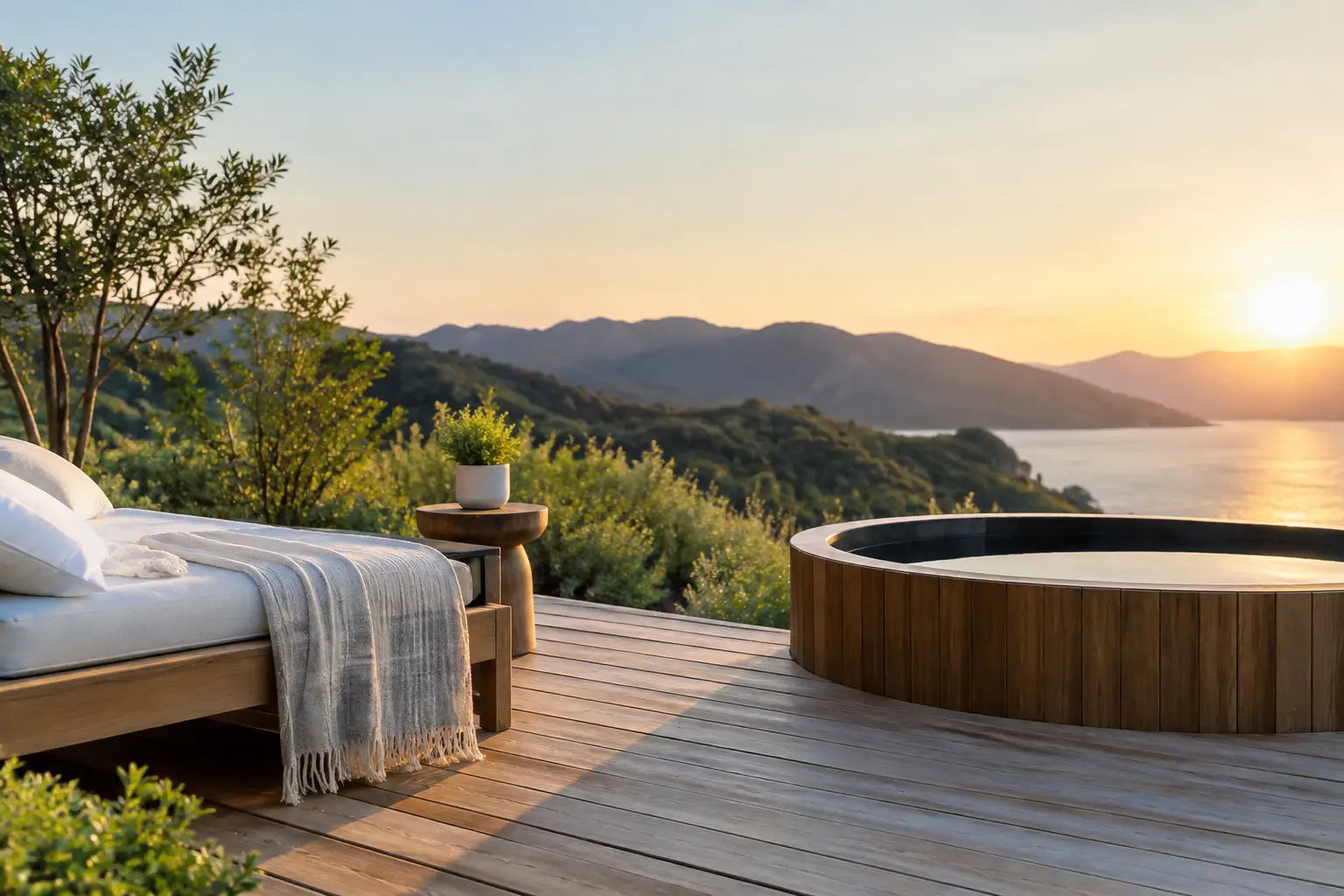
A beautiful outdoor retreat is no longer defined by a dining set and a fire pit alone. The most compelling outdoor wellness design trends make room for rituals: a sauna session at dusk, a cold plunge beneath the trees, a quiet morning in a light-filled studio, or an unhurried night inside a glamping dome. For homeowners and hospitality hosts alike, the goal is shifting from decorating an exterior space to creating somewhere that genuinely changes how people feel.
This is not about filling a yard with features. It is about designing a setting that encourages you to step outside, slow down, and return to yourself. The best outdoor wellness spaces feel considered but never overworked, with each material, view, and transition supporting a more restorative way of living.
Outdoor Wellness Design Trends Rooted in Ritual
Wellness design is becoming more personal. Rather than following a single formula, people are building spaces around the rhythms they want to protect: heat therapy after a long workday, a screen-free place to read, a private guest escape, or a morning practice that begins in fresh air.
A sauna and cold plunge pairing remains one of the most desired expressions of this movement. Together, they turn a familiar backyard into a destination for contrast therapy and recovery. Yet the experience is not solely about the equipment. A well-placed bench for cooling down, a path underfoot that feels good barefoot, a place to set a robe and water, and thoughtful privacy all determine whether the ritual becomes part of everyday life.
For a smaller property, one hero feature may be the right answer. A compact sauna tucked beside mature planting can feel more luxurious than a crowded arrangement of competing elements. On a larger estate or hospitality property, a sequence of spaces can create a fuller experience: arrival, changing, heat, cool water, rest, and gathering.
The return of the outdoor room
The boundary between indoors and out is continuing to soften. Outdoor rooms are being designed with the same care once reserved for interiors, including layered lighting, substantial furnishings, architectural screening, and material palettes that feel connected to the home.
This does not mean an outdoor space should mimic a living room exactly. Weather, landscape, and light should still lead. Instead, consider what makes an interior feel inviting: a sense of enclosure, a comfortable scale, warm textures, and a reason to linger. A covered deck beside a sauna, for example, can become a year-round lounge when it includes soft illumination and protection from wind or light rain.
Custom outdoor studios and ADUs also belong in this conversation. A detached room can serve as a yoga studio, massage room, creative workspace, guest suite, or quiet reset zone. Its value lies in separation. Crossing the garden to reach it creates a psychological threshold, helping the day-to-day world fall away before a class, treatment, or period of focused work begins.
Natural Materials With a More Refined Point of View
The leading aesthetic is warm, grounded, and tactile. Wood remains central, especially in sauna environments, but it is being paired with stone, plaster-like finishes, dark metal details, and muted textiles to produce spaces that feel elevated without becoming stark.
The most successful material choices age gracefully. Cedar and thermally treated wood can develop character over time. Natural stone gives paths and plunge surrounds a sense of permanence. Gravel, decomposed granite, and native planting can make a setting feel less manicured and more connected to its site. These are not merely visual decisions. Texture underfoot, the scent of timber, and the sound of gravel on approach all deepen the sensory experience.
There is a practical side to this preference for honest materials. Outdoor wellness zones are exposed to moisture, temperature swings, and regular use. Choose finishes that suit the climate and understand the maintenance they require. A pale stone may look striking around a plunge pool, but it can show staining more readily. Untreated wood can be beautiful, but it needs realistic expectations about weathering. Luxury is often found in selecting materials that will look even better after they have lived outdoors for a while.
Privacy without isolation
Privacy is essential for saunas, plunges, and restorative spaces, yet a tall solid fence is rarely the most graceful answer. Current designs favor softer layers: planted hedges, slatted screens, sculptural trees, trellises, and changes in elevation. These elements provide shelter while preserving a connection to sky, breeze, and landscape.
Sightlines matter as much as screening. From a sauna window, frame a stand of trees, a garden wall, or a distant view rather than a utility area. From the house, decide whether the wellness zone should be visible as an inviting focal point or quietly concealed. A private retreat should feel protected, not closed in.
Immersive Guest Experiences Move Outdoors
For vacation-rental hosts, boutique hospitality operators, and glamping properties, outdoor wellness has become a meaningful differentiator. Guests increasingly remember how a place made them feel more than the number of rooms it offered. A thoughtfully appointed sauna, plunge pool, or dome can transform an overnight stay into a ritual worth returning to.
Glamping domes are especially suited to this desire for immersion. Their curved forms and expansive views create a feeling of shelter without disconnecting guests from weather, stars, or surrounding trees. The design challenge is to give the structure enough comfort and privacy while allowing nature to remain present. Consider the approach path, window orientation, outdoor shower placement, and where guests can sit with a morning coffee after a sauna session.
A guest-ready setup also calls for operational thinking. Durable surfaces, clear instructions, towel storage, lighting that is easy to use after dark, and safe circulation all protect the experience. Design should feel effortless for the guest, even when considerable planning sits behind it.
Tanari Earth approaches this category as an entire outdoor lifestyle, where individual pieces work together to create a setting for restoration rather than simply occupying square footage.
Designing for All Seasons, Not Just the First Reveal
The most enduring outdoor wellness design trends prioritize use across the calendar. A sauna often becomes more appealing in colder months, while shade, ventilation, and cool water become essential during summer. Designing for both conditions expands the value of the investment.
Start with orientation. A west-facing plunge area may be glorious in the late afternoon but uncomfortably hot at midday in certain regions. Dense shade can feel peaceful, yet it may keep surfaces damp or limit winter warmth. The right balance depends on local climate, tree cover, and how you plan to use the space.
Lighting deserves similar attention. Avoid treating it as an afterthought. Low, warm lighting along a path helps create safe movement without flattening the night landscape. Gentle illumination near a seating area encourages lingering. Inside a sauna or studio, light should support calm rather than glare. A few carefully placed fixtures will usually feel more luxurious than a bright, fully lit yard.
Let the Landscape Set the Pace
The strongest outdoor wellness spaces resist the impulse to reveal everything at once. A curved path, a planted threshold, or a partial view of the sauna can create a gentle sense of anticipation. This is particularly effective when the landscape already has character worth preserving.
Begin with what the property gives you: an old oak, a change in grade, a pocket of morning sun, a distant ridge, or the sound of water nearby. Then position your wellness features to honor those conditions. A cold plunge does not need an oversized deck if its setting offers stillness and a meaningful view. A studio does not need ornate detailing if its windows capture the right light.
The lasting trend is not a specific finish, structure, or amenity. It is the decision to make outdoor time more intentional. Build a place that invites you outside on an ordinary Tuesday, and it will become far more than a beautiful addition to the property.
