
Cart
0
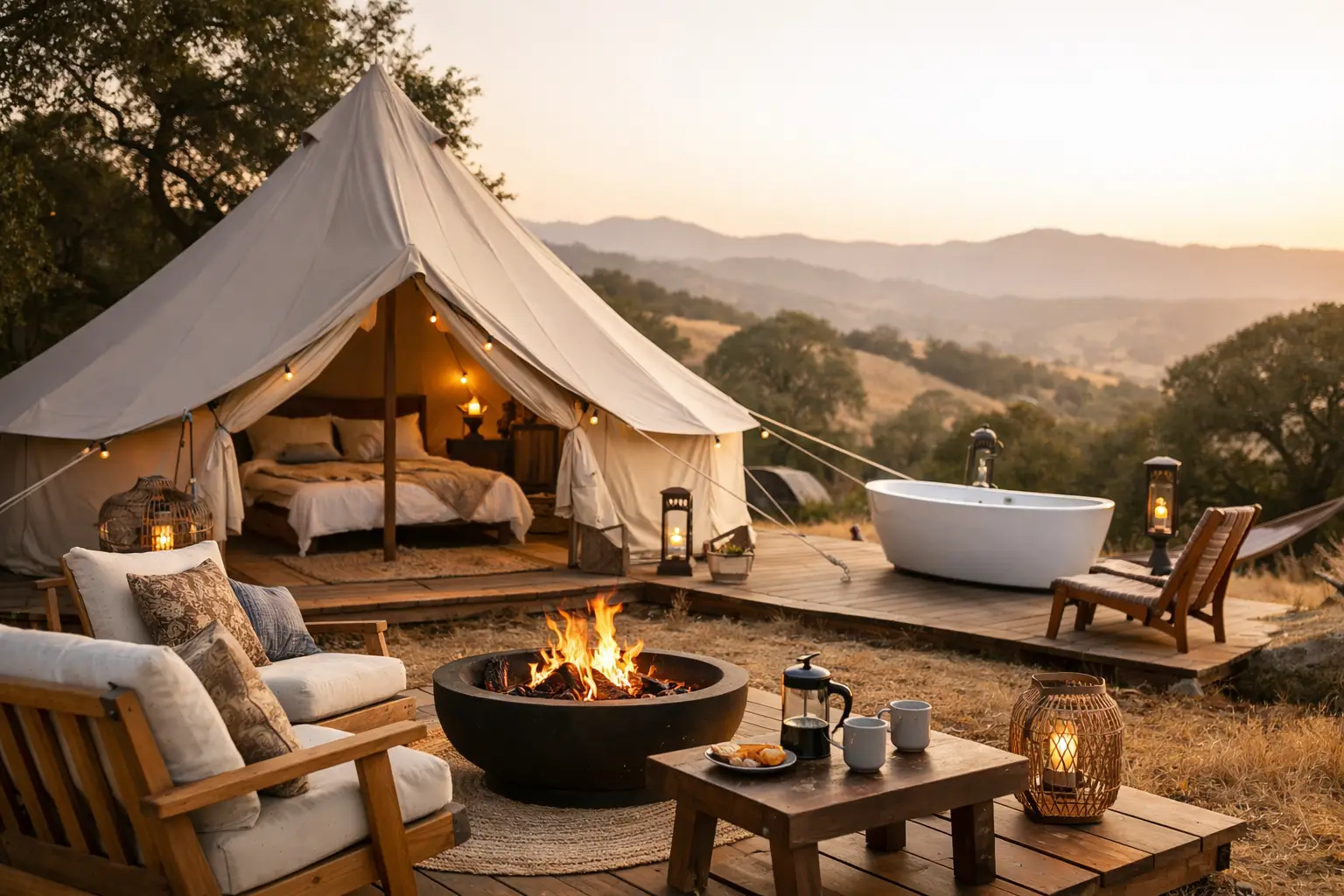
California has no shortage of beautiful places to sleep outdoors. What makes a luxury glamping stay California guests will remember is not simply a larger tent, a nicer mattress, or a photogenic view. It is the feeling of arriving somewhere that asks less of you - a place where the details are handled, nature is close, and your only real task is to slow down.
For design-conscious travelers and property owners alike, glamping offers a useful lesson: comfort and wildness are not opposites. When thoughtfully paired, they create a retreat that feels both grounded and elevated. The best stays make room for quiet mornings, unhurried meals, warm light, restorative rituals, and the rare pleasure of being offline without feeling inconvenienced.
What Defines a Luxury Glamping Stay in California
Luxury is often confused with excess. In a nature-centered setting, it is better understood as ease. A well-designed glamping experience removes the friction that can turn a camping trip into a logistics exercise, while preserving the sensory pleasures that make being outside worthwhile.
That begins with the structure itself. A geodesic dome, canvas tent, cabin, or outdoor studio should feel protected from the elements without shutting out the landscape. Generous windows, considered ventilation, quality insulation, and a layout that gives the bed, seating, and storage room to breathe all matter. The goal is not to recreate a hotel room in the woods. It is to create a more intentional way to inhabit the outdoors.
The setting matters just as much. California can offer coastal fog, redwood shade, oak-studded hills, desert clarity, and mountain air within a single state. A memorable property works with its surroundings rather than competing with them. In wooded areas, that may mean framing the trees from bed and keeping exterior lighting low. In a sunnier landscape, shade structures, cool interiors, and a private outdoor bathing area can shape the entire experience.
Choose the Landscape That Matches Your Pace
A luxury glamping stay should feel aligned with why you are leaving home. Not every beautiful destination offers the same kind of restoration.
Coastal and redwood retreats
The coast and redwood regions are ideal for guests seeking softness: filtered light, misty mornings, forest walks, and the steady sound of wind through branches. Temperatures can change quickly, even in warmer months, so a proper heating source, layered bedding, and covered outdoor seating are essential. This setting favors slow rituals - tea after a sauna, reading under a blanket, or a late breakfast with nowhere else to be.
Wine country and rolling hills
In places shaped by open vistas and golden grass, a glamping stay can feel social without becoming busy. These properties are well suited to long outdoor dinners, a shared fire, and sunset views. Privacy still matters. Thoughtful spacing between accommodations, mature planting, and screened bathing areas allow guests to feel relaxed rather than on display.
Desert and mountain settings
Desert glamping rewards early mornings and stargazing, but it requires serious climate planning. Shade, cooling, water access, and insulation are not decorative upgrades. They determine whether the stay feels luxurious or merely exposed. Mountain sites bring a different set of needs, including weather protection, warm floors or reliable heating, and pathways that remain safe in rain or low light.
The right destination depends on the season and the kind of reset you need. A cool forest weekend can be deeply restorative for someone who spends most days indoors. For another guest, open sky and dry heat may be the more powerful contrast.
Comfort Should Support the Experience, Not Distract From It
The most successful glamping interiors feel edited. They offer what guests need and avoid filling every corner with décor. A comfortable bed with natural-feeling linens, a place to set down a book or glass of water, soft lighting, and a few tactile materials can make a compact space feel generous.
Bathrooms deserve particular care. A private, clean, well-lit bathing experience changes the emotional equation of an outdoor stay. Depending on the property, that might mean an indoor bath, a refined outdoor shower, or a nearby dedicated bathhouse. The choice is less important than the execution. Hot water, hooks, dry towels, privacy, and a clear path after dark are details guests feel immediately.
Food is another point where luxury becomes personal. Some guests want a fully equipped outdoor kitchen or a chef-style meal. Others prefer a simple, beautiful setup for coffee, fruit, local bread, and a bottle of wine. A strong glamping experience gives guests enough freedom to shape their stay without burdening them with too many decisions.
Build Wellness Into the Rhythm of the Stay
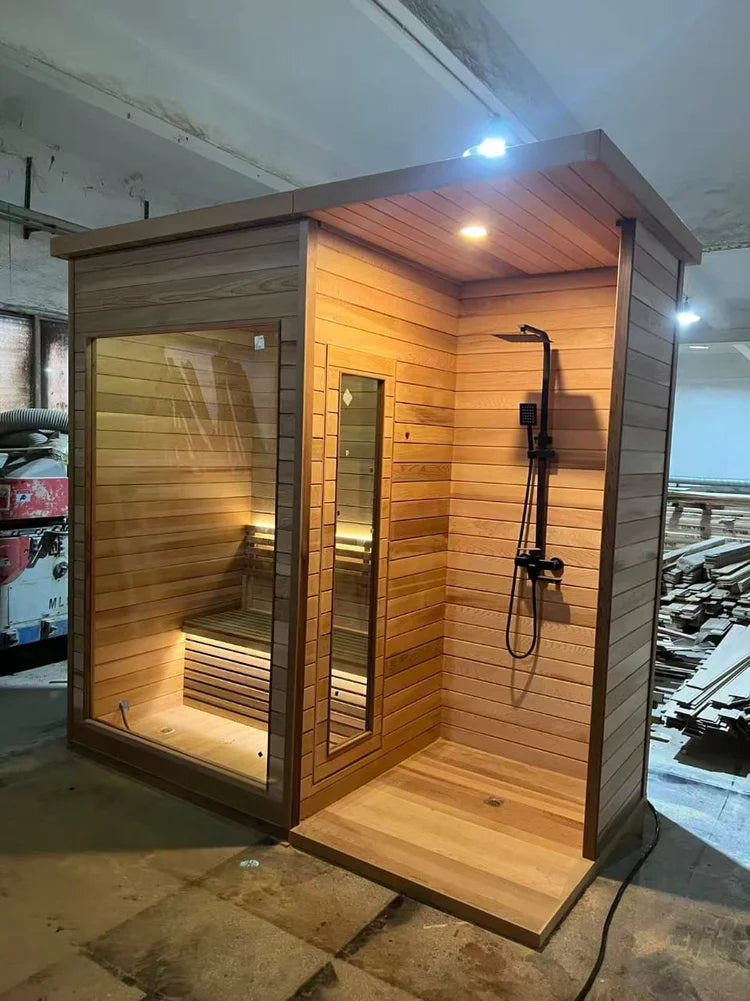
Nature is restorative on its own, but wellness amenities can make a glamping escape feel more purposeful. A sauna placed near trees or open sky creates a transition between the pace of daily life and a quieter state of mind. A cold plunge can add an invigorating counterpoint, especially when followed by rest, hydration, and warmth.
These experiences should be offered with restraint. The point is not to turn a retreat into a checklist of treatments. It is to create opportunities for guests to notice how they feel. An early sauna session before breakfast, an afternoon cold plunge after a hike, or a quiet soak as the light changes can become the moments people carry home.
At Tanari Earth, this connection between elevated design and outdoor ritual is central to the idea of building an oasis. A glamping stay can offer more than a temporary escape. It can help guests imagine what a restorative outdoor space might look like on their own property, whether that means a dome, a sauna, a cold plunge, or a private studio for rest and reflection.
Small Details Create Lasting Hospitality
A premium stay does not need constant service, but it should feel thoughtfully anticipated. Guests notice clear arrival instructions, easy parking, luggage-friendly paths, and a welcome that explains the space without overexplaining it. They also notice when a fire pit has dry wood ready, when outdoor chairs are genuinely comfortable, and when there is a quiet place to sit after sunset.
For hosts, the trade-off is between visual minimalism and practical convenience. A striking, spare space may photograph beautifully, but guests still need places for wet towels, charging devices, shoes, and jackets. The best design hides utility gracefully rather than pretending it does not exist.
Sound deserves attention as well. A secluded location is valuable, but silence can be disrupted by nearby roads, generators, neighboring sites, or mechanical equipment. Planting, distance, thoughtful site orientation, and low-noise systems can make the difference between a pretty overnight stay and true immersion.
Planning a Stay That Actually Feels Restorative
Before booking, consider what kind of comfort you require and what kind of simplicity you are open to. If you need a full private bathroom, climate control, and easy access to town, look for those features rather than assuming every upscale-looking property provides them. If you are willing to trade some convenience for solitude, a more remote setting may offer the deeper reset.
It also helps to plan less. Choose one meaningful activity, such as a hike, massage, sauna ritual, or long lunch, then leave room for the unplanned hours that make a retreat feel different from a regular weekend. Bring layers, even in warm regions, and shoes that can handle uneven ground. Most of all, resist the urge to turn every beautiful moment into content.
A well-made glamping stay gives you something increasingly rare: a beautiful place to be with no need to improve it. Let the landscape set the pace, let comfort hold the edges, and allow a little unscheduled time to do its quiet work.

