
Cart
0
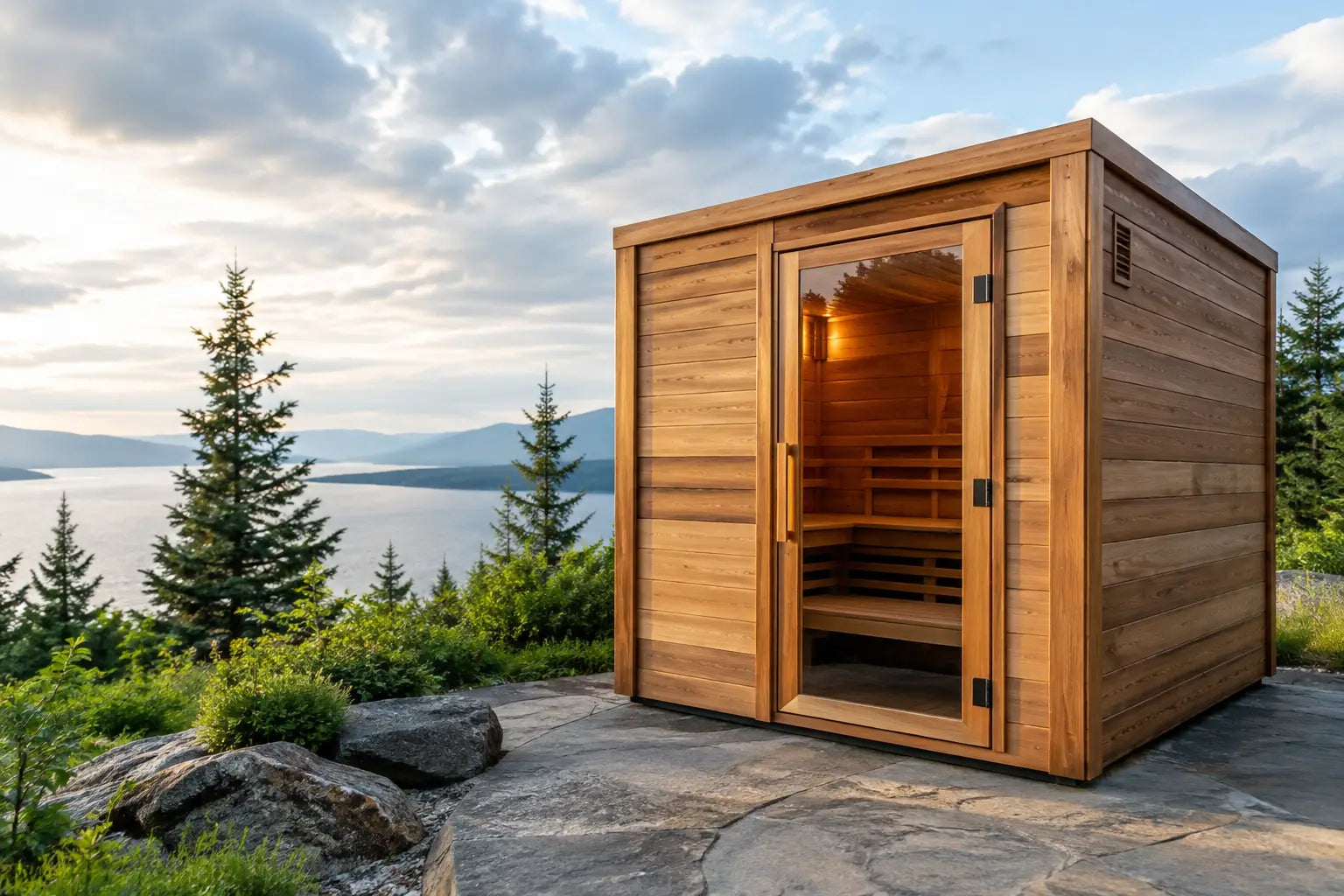
A cedar sauna set beneath mature trees or beside a quiet patio has a natural advantage: the wood already belongs outdoors. But are cedar saunas weather resistant enough to handle years of rain, summer sun, frost, and changing seasons? Yes, when the sauna is thoughtfully built, properly sited, and given a modest amount of care. Cedar is an exceptional material for an outdoor wellness retreat, but it is not a promise that the entire structure can be ignored.
The distinction matters when you are creating a space meant for ritual rather than repair. A well-designed cedar sauna should let you move from a cold morning walk to deep, dry heat without worrying about every passing storm. Its longevity comes from a combination of naturally durable wood, a weather-conscious exterior envelope, and installation details that keep moisture moving in the right direction.
Why Cedar Performs So Well Outside
Cedar is valued for outdoor structures because it naturally contains oils and extractives that help it resist decay, moisture absorption, and insect activity. Unlike many woods, it is also dimensionally stable. It is less likely to swell, shrink, cup, or warp dramatically as humidity and temperature shift.
That stability is especially useful in a sauna. The building experiences unusual conditions: intense interior heat, cool exterior air, steam from bathers, and exposure to the elements. Cedar tolerates these changes gracefully while remaining comfortable to the touch. It does not become uncomfortably hot against bare skin in the way some denser materials can.
Its aroma and warm, varied grain also make cedar a design choice, not simply a practical one. Over time, an untreated exterior will often mellow from reddish-brown tones to a soft silver-gray. Some homeowners love that patina because it lets the sauna settle into the landscape. Others prefer to preserve the original color with a suitable exterior finish. Either approach can be beautiful.
Are Cedar Saunas Weather Resistant in Every Climate?
Cedar is weather resistant, but climate still shapes the details. In a dry, sunny region, ultraviolet exposure is usually the main concern. In coastal, humid, or heavily wooded settings, persistent moisture and limited airflow deserve more attention. In snowy areas, roof load and spring thaw become central to the design.
A quality cedar sauna can perform well across the United States, from a California garden to a mountain cabin or lakeside rental property. The key is to choose a structure designed for its location rather than assuming cedar alone is a complete weatherproofing system.
Rain and humidity
Cedar resists rot better than many common softwoods, but water should never be allowed to sit against any exterior cladding, trim, or base. A sloped roof, properly installed roofing material, flashing around penetrations, and generous roof overhangs all protect the sauna far more effectively than a coating alone.
Airflow is equally valuable. Position the sauna so air can circulate around it, rather than pressing it tightly against a fence, dense hedge, or retaining wall. If the exterior stays damp after rain, mildew can develop on surface dirt and pollen even when the cedar itself remains sound. This is an appearance and maintenance issue, not necessarily structural failure, but it is best prevented early.
Sun and heat
Strong sunlight does not usually harm cedar structurally. It does, however, fade the surface and can dry exterior boards unevenly over time. A UV-resistant exterior wood treatment can slow color change if you want to retain cedar's richer tones. Choose a breathable product formulated for exterior wood, and follow the manufacturer’s application guidance.
Inside the sauna, avoid applying standard stains, sealers, or varnishes to benches and walls. Under high heat, finishes can create odors, affect the tactile quality of the wood, or release compounds you would rather not breathe. The interior is best kept clean, dry, and natural unless a sauna-specific product is expressly recommended.
Snow, ice, and freeze-thaw cycles
For winter climates, the roof matters as much as the wood. Your sauna should be rated and engineered for the expected snow load in your area. A roof designed for a mild climate may not be appropriate for a property where wet snow accumulates repeatedly.
Keep gutters, roof edges, and drainage paths clear so meltwater does not back up into the structure. The sauna should also sit above surrounding grade, with water directed away from its foundation. Repeated freeze-thaw exposure is far less concerning when water has nowhere to collect beneath the floor or along the lower walls.
Wind and coastal exposure
High-wind locations call for secure anchoring and careful attention to doors, windows, roofing, and exterior fasteners. Near the coast, salt air can accelerate corrosion on lower-quality hardware. Stainless steel or other corrosion-resistant fasteners are a worthwhile detail for a sauna that will face marine conditions year after year.
The Exterior Shell Protects the Cedar Sauna
When comparing outdoor saunas, ask what protects the wood beyond the cedar itself. A beautiful cabin profile is only part of the picture. Long-term weather resistance depends on the roof assembly, drainage, insulation, vapor management, door seals, windows, foundation, and hardware.
A sauna designed for outdoor use should have a finished exterior roof rated for local weather, not merely exposed wood overhead. It should also have a stable base that keeps the floor out of standing water. Depending on the site and model, that may mean a concrete pad, pavers on a prepared base, helical piers, or a raised deck engineered for the sauna’s loaded weight.
Electrical planning deserves the same care. Outdoor-rated electrical components, code-compliant wiring, and a qualified installer help protect both the sauna and the people using it. The goal is a retreat that feels effortless because the practical work was handled before the first heating session.
How to Help a Cedar Sauna Last
Cedar asks for less maintenance than many exterior materials, but a seasonal check-in protects the investment. The most effective care is simple and preventive:
- Keep plants, leaf litter, firewood, and stored items away from the exterior walls so moisture does not linger.
- Check the roof, flashing, door seals, and vents after severe weather and before the wet season begins.
- Wash exterior surfaces gently when dirt, pollen, or mildew appears. Avoid aggressive pressure washing, which can roughen the wood fibers.
- Refresh an exterior UV or water-repellent finish when water no longer beads on the surface, if preserving the cedar color is your preference.
- Use towels on sauna benches, leave the door open briefly after use to release excess humidity, and clean the interior with mild sauna-appropriate methods.
Placement Can Extend the Life of Your Outdoor Sauna
The most inviting location is not always the most protected one. A panoramic view may bring wind. A secluded grove may bring shade, falling debris, and slow drying after rain. Rather than avoiding these settings, plan around them.
Consider a small gravel perimeter to improve drainage, a pathway that keeps muddy feet from tracking into the sauna, and enough clearance to inspect all sides of the structure. If you want the sauna near a pool or cold plunge, think about splash zones and where wet guests will place towels. These choices preserve the calm, intentional feeling of the space while making care easier.
At Tanari Earth, the vision is not simply to place a sauna outdoors. It is to shape an outdoor ritual that feels considered in every season - warm cedar after rain, crisp air between rounds, and a private place to reset close to nature.
When Cedar Is Not the Only Answer
Cedar is an excellent premium choice, but it is not the only weather-capable sauna material. Thermally modified wood, spruce, and certain engineered exterior systems can also perform well when properly designed. The best option depends on the sauna’s construction, your desired aesthetic, local climate, maintenance expectations, and budget.
What should not be compromised is the quality of the complete build. An outstanding cedar interior paired with a weak roof, poor drainage, or an unsuitable foundation will not deliver the durability you expect. Conversely, a carefully detailed sauna can make cedar's natural strengths feel almost effortless.
Choose cedar if you are drawn to its warmth, scent, tactile comfort, and graceful aging. Then give it a roof that sheds water, a foundation that stays dry, and a place in the landscape where your wellness ritual can remain inviting long after the weather changes.
