
Cart
0
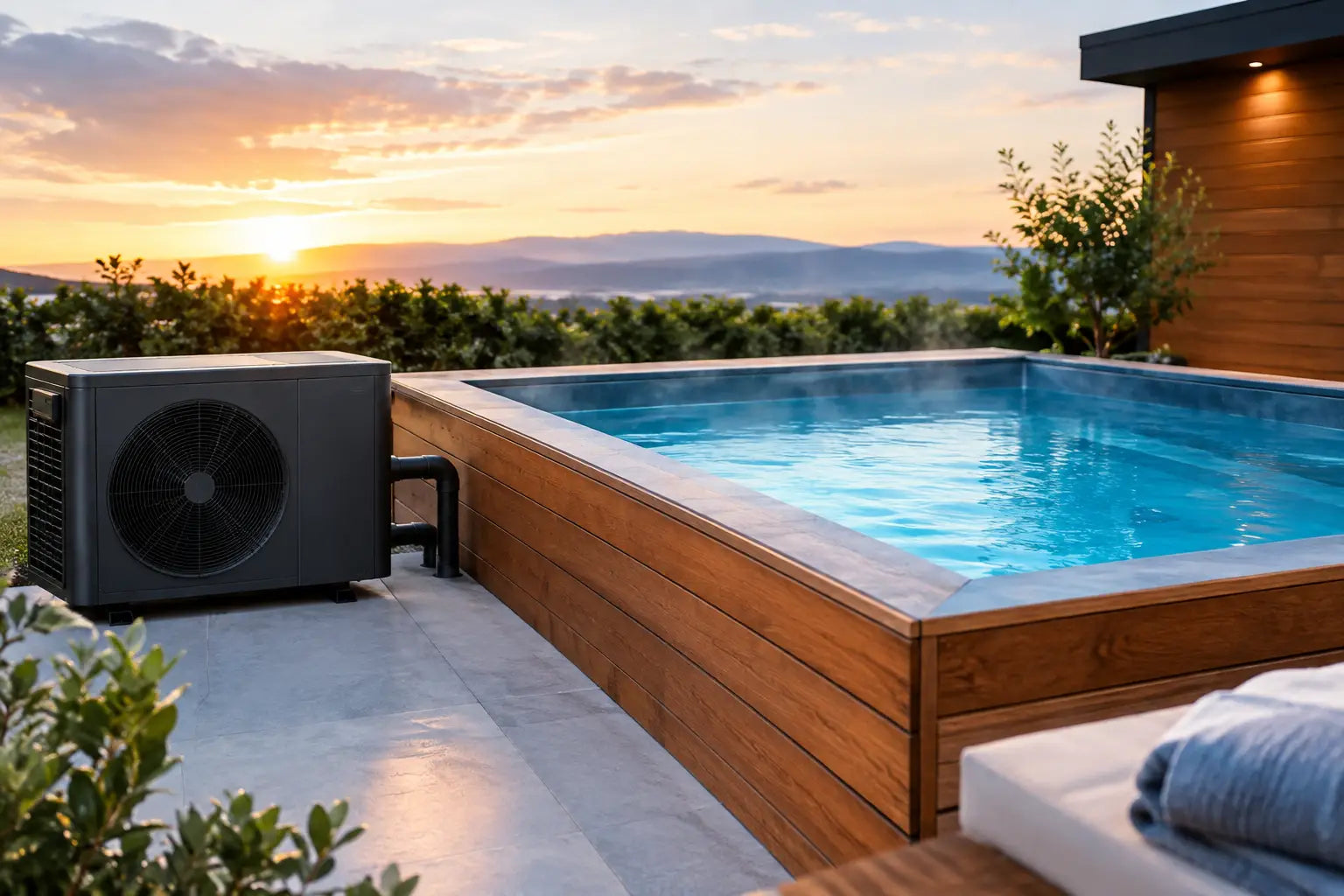
A plunge pool can be the most restorative part of an outdoor retreat - until the water is too cold for a relaxed soak or too slow to warm before guests arrive. When homeowners ask how to heat outdoor plunge pools, the best answer is rarely a single piece of equipment. It is a considered plan that accounts for the pool’s size, the climate, how often it will be used, and the kind of ritual you want to create outdoors.
For some, warmth means extending the season for evening soaks beneath the trees. For others, it means bringing cold-plunge water to a more comfortable recovery temperature after a sauna session. A well-chosen system makes the experience feel effortless while protecting the clean, intentional look of your outdoor space.
Start With the Temperature You Actually Want
Before choosing a heater, decide whether your plunge pool is meant to stay cold, become a warm soaking pool, or serve both purposes at different times. These are distinct goals, and each calls for a different approach.
Traditional cold plunging generally falls between 39 and 59 degrees Fahrenheit. If you want to take the edge off naturally cold water without turning it into a hot soak, a compact electric heater or a reversible heat pump may be enough. A warm plunge or soaking pool is usually kept around 85 to 100 degrees, while hot-tub temperatures can reach 104 degrees. At those higher settings, heat loss and operating costs deserve more attention.
A dual-temperature setup is appealing, especially beside a sauna, but it requires planning. Moving a large volume of water from cold to hot takes time and energy. If contrast therapy is central to your routine, two dedicated vessels often provide a more graceful experience than constantly changing the temperature of one pool.
Choose the Right Way to Heat an Outdoor Plunge Pool
The best heating method depends on access to utilities, local weather, the pool’s water volume, and how quickly you expect the temperature to change. A small cedar plunge beside a guest suite has different needs than a larger tiled pool serving a vacation rental.
Electric heaters offer direct, dependable warmth
An electric resistance heater is a practical choice for smaller plunge pools and properties with sufficient electrical capacity. It heats water directly as it circulates through the system, offering predictable performance regardless of outdoor air temperature.
Its main trade-off is operating cost. Electric resistance heat can be expensive for a pool left uncovered in a cold climate, particularly when maintaining spa-level temperatures. It also needs a correctly sized dedicated circuit, GFCI protection, and professional installation. For a compact plunge used a few times each week, however, it can be a beautifully simple solution.
Heat pumps suit regular, energy-conscious use
A pool heat pump draws warmth from the surrounding air and transfers it to the water. It costs more upfront than a basic electric heater, but it is typically far more efficient to run, especially in mild or warm regions.
Heat pumps work best when you are maintaining a temperature rather than demanding a rapid change just before use. They become less efficient as air temperatures drop, so a homeowner in a snowy climate may need a larger unit, a backup heating source, or realistic expectations during the coldest weeks of winter. Their low, steady operating style suits a plunge pool that is part of a daily wellness ritual.
A reversible heat pump can also cool water. This is worth considering for a cold plunge in a hot climate, where summer sun can push water temperatures above the range you prefer.
Gas and propane heat quickly when timing matters
Natural-gas and propane heaters are valued for speed. They can bring a plunge pool up to temperature much faster than a heat pump, making them useful for hospitality settings, occasional entertaining, or a weekend property that is not heated continuously.
The trade-off is fuel use and infrastructure. Natural gas requires an available line, while propane requires tank storage and scheduled refills. Both need appropriate ventilation, clearances, and professional installation. If the ritual is spontaneous - a long soak after a late dinner, for example - the responsiveness may justify the added operating expense.
Wood-fired heaters create a more elemental ritual
For a more off-grid or nature-centered setting, a wood-fired heater can be deeply appealing. The process of building the fire, listening to the crackle, and waiting for the water to warm becomes part of the experience rather than a task to eliminate.
Wood-fired systems require more hands-on attention than automated equipment. They also need safe siting, a proper chimney or flue where applicable, dry wood storage, and careful adherence to local fire regulations. They are best for owners who value the ceremony of heating as much as the soak itself. On a secluded property, they can lend an outdoor wellness area a sense of quiet authenticity that technology alone cannot replicate.
Keep the Heat You Pay For
The most elegant answer to how to heat outdoor plunge pools is often not a bigger heater. It is reducing heat loss first. Water releases heat quickly into cold air, wind, and the ground, so every exposed surface affects the system’s workload.
A fitted insulated cover is the single most useful investment for a heated plunge. Use it whenever the pool is not in use, especially overnight. A high-quality cover slows evaporation, holds warmth in the water, and keeps leaves and debris from compromising water quality. For a design-conscious outdoor space, choose a cover that complements the surround rather than treating it as an afterthought.
Insulating the vessel walls and base matters as well, particularly for a freestanding pool or one placed on a deck. Windbreaks, privacy screens, planting, and a sheltered location can further reduce heat loss without making the setting feel enclosed. These choices also make the space more inviting on cool evenings.
If your plunge pool is being installed from scratch, place the equipment close enough to limit long pipe runs. Properly insulated plumbing reduces wasted heat and helps the circulation system operate more efficiently.
Plan for Water Care and Safe Installation
A heater should work in concert with your pump, filter, plumbing, and sanitation system. Water needs to circulate at the manufacturer’s required flow rate for the heater to operate safely. Poor circulation can cause overheating, error codes, uneven temperatures, and unnecessary wear on equipment.
Confirm that the heater is compatible with your pool’s materials and sanitizer. Salt systems, bromine, chlorine, and mineral treatments can affect components differently, particularly if water chemistry is allowed to drift. Test water regularly and maintain balanced pH, alkalinity, and sanitizer levels. Warm water magnifies the consequences of neglected water care.
For electrical and fuel-burning equipment, professional installation is not an optional luxury. Use qualified pool, electrical, gas, or plumbing professionals as required by the system and local code. Equipment pads, drainage, bonding, shutoffs, clearances, and weather protection all influence both safety and the polished longevity of the finished space.
Set a Temperature Schedule That Fits Your Life
Constantly heating a plunge pool to spa temperature is convenient, but it is not always the most thoughtful or economical choice. If you use the pool every day, maintaining a steady temperature under a well-insulated cover usually makes sense. The system works gently in the background, and the water is ready when your schedule opens up.
For occasional use, lower the set temperature between sessions and begin heating in advance. How far in advance depends on water volume, starting temperature, heater output, weather, and whether the pool is covered. A small insulated plunge may need only a few hours. A larger vessel in cold weather may need most of a day. Your installer or heater manufacturer can help estimate the heat-up rate for your specific configuration.
A timer or smart controller can make this feel less like pool maintenance and more like hospitality. Program a warm soak for the end of the workday, a recovery session after a morning workout, or a welcoming temperature before guests arrive. The best technology disappears into the rhythm of the property.
Design the Ritual, Not Just the Equipment
Heating equipment may sit out of sight, but it shapes the way a space is used. Consider the path from the house or sauna to the water. Add warm lighting, a place for robes, a towel hook, and a dry surface underfoot. Planting, natural wood, stone, and a view worth lingering over can turn a functional plunge pool into a private destination.
At Tanari Earth, the most memorable outdoor wellness spaces are designed around this feeling of arrival: step outside, breathe cooler air, and let the pace of the day fall away. Whether you choose efficient electric heat, rapid gas warmth, or the tactile ritual of a wood-fired system, let the setup support the way you want to rest.
A covered, well-maintained plunge pool does more than hold its temperature. It keeps the invitation open, so a restorative hour outside is always within reach.

