
Cart
0
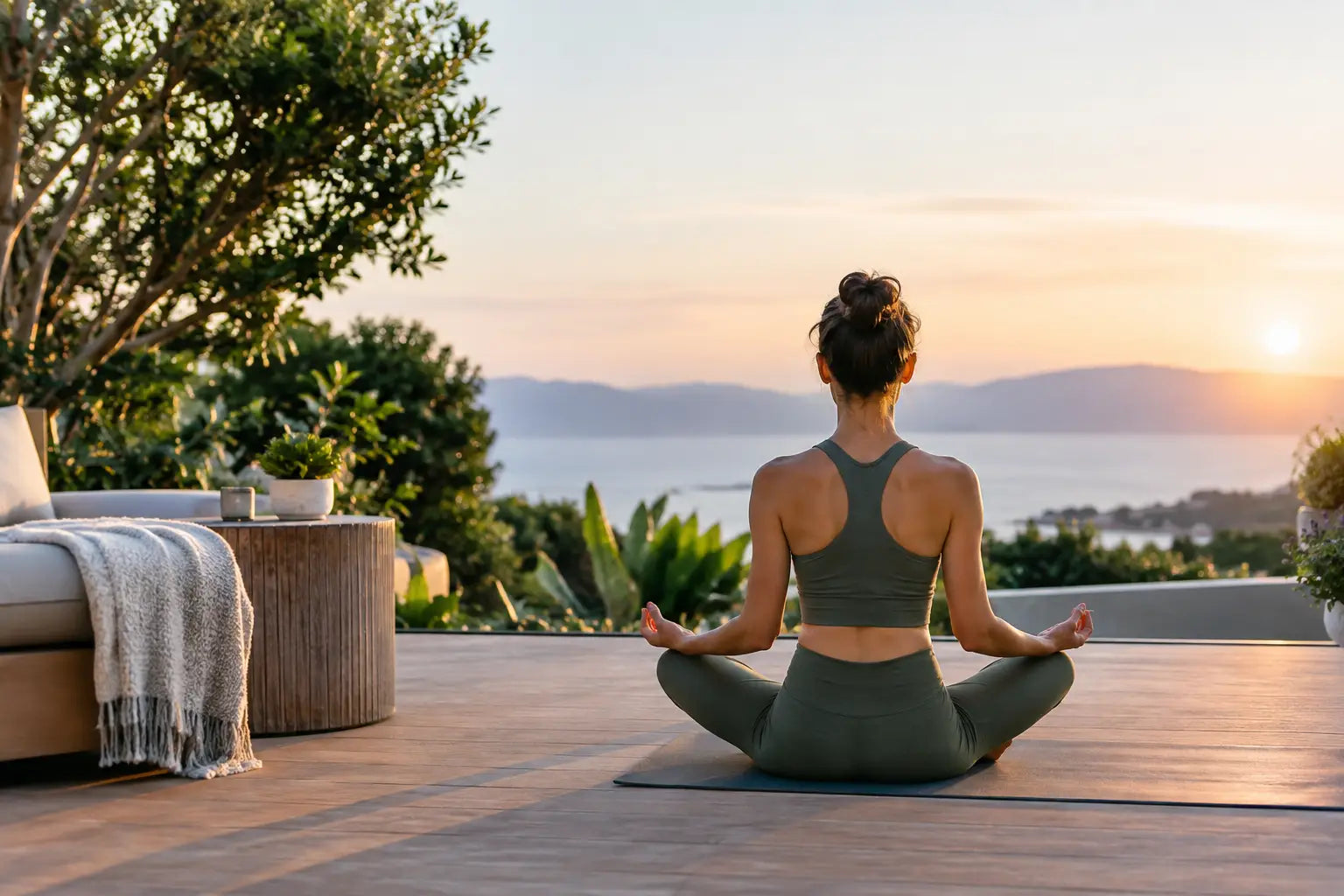
A quiet morning sauna. A cold plunge beneath a canopy of trees. An outdoor room that asks nothing of you except that you stay awhile. The future of home wellness spaces is less about adding another feature to a property and more about creating a place where daily life can soften.
For homeowners and hospitality hosts alike, the most compelling wellness spaces are moving beyond the spare bedroom or a single piece of fitness equipment. They are becoming intentional outdoor retreats shaped by natural materials, changing light, fresh air, and rituals that restore the body and settle the mind.
The Future of Home Wellness Spaces Is Personal
Wellness at home is becoming more private, more sensory, and more connected to the landscape. A beautifully made sauna or cold plunge has value on its own, but its real impact comes from the experience around it: the path from the house, the warmth of cedar, the view from a bench, and the unhurried pause after a session.
This shift reflects a desire for spaces that work on a deeper level than conventional amenities. A backyard can be productive, social, and restorative, but most of us have spent years treating it as an area to maintain rather than inhabit. The next generation of outdoor living gives that space a purpose. It becomes a setting for a morning reset, a post-work transition, a screen-free evening, or a meaningful stay for guests.
That does not mean every property needs a sprawling spa compound. Often, the most enduring designs are compact and focused. A two- or four-person sauna set near mature planting, paired with a simple cold-water ritual and a place to rest, can feel more luxurious than a large space crowded with features. The goal is not excess. It is a repeatable ritual you will want to return to.
From Backyard Amenity to Daily Ritual
A wellness feature becomes part of life when it is easy to use and inviting in every season. This is why placement matters as much as the product itself. A sauna that is visible from the home, reached by a dry and well-lit path, and close to a towel or changing area is more likely to become a regular habit than one installed at the far edge of the property without a supporting plan.
Heat, cold, and the value of contrast
Sauna bathing and cold plunging continue to shape the conversation around outdoor wellness, not because they are passing novelties, but because they create a clear boundary between effort and rest. Heat encourages stillness. Cold water sharpens awareness. The transition between the two can make an ordinary evening feel distinctly different from the hours that came before it.
The right approach depends on personal comfort, climate, and health considerations. Some people will build a regular contrast routine, moving from sauna to cold plunge and then resting outdoors. Others may prefer the gentler rhythm of warmth followed by fresh air and a warm shower. A well-designed space should leave room for both. It should feel restorative rather than prescriptive.
For vacation-rental hosts and glamping operators, this ritual also creates an experience guests remember. A thoughtfully placed sauna near a private deck or a cold plunge with a view offers more than a photograph. It gives visitors a reason to slow down, stay on the property, and associate the visit with genuine renewal.
Design for the Senses, Not Just the Photograph
The most successful home wellness spaces are visually composed, but they are not designed only for visual impact. They consider what it feels like to arrive barefoot, to step outside after dark, to hear wind in the trees, or to sit quietly after the heat of a sauna session.
Natural wood remains central to this experience. It brings warmth, texture, and a sense of craft that metal and plastic rarely provide. A cedar sauna can feel at home beside a modern residence, a wooded cabin, or a carefully designed garden because its character changes with the setting. Stone, gravel, soft landscape lighting, linen towels, and durable outdoor seating can extend that same feeling beyond the structure itself.
Privacy deserves equal attention. It does not always require tall fencing or walls. Layered planting, the orientation of a doorway, a screen of slatted wood, or a carefully framed view can make an outdoor retreat feel protected while preserving openness to the sky. On a dense suburban lot, privacy may be the first design decision. On a rural property, the priority may be shelter from wind or a sunset-facing view.
Seasonality is another sign of thoughtful planning. A retreat should feel appealing in January as well as July. Consider drainage around a plunge, slip-resistant surfaces, exterior lighting, weather-protected storage for towels, and a place to set down a drink or robe. In colder regions, a short and comfortable route back indoors matters. In warmer climates, shade and ventilation may be the details that define whether the space is used all summer.
Flexible Structures Will Shape Outdoor Wellness
The future is not limited to saunas and pools. Flexible outdoor structures are giving homeowners more ways to create a dedicated retreat without altering the character of the main house. A garden studio can serve as a yoga room, massage space, quiet office, or guest suite. A glamping dome can create a playful, immersive overnight experience while offering a striking connection to the surrounding landscape. An ADU can support longer stays, multigenerational living, or a hospitality-focused property.
These structures are especially valuable because wellness needs change. A room used for meditation this year may become a reading room, creative studio, or guest escape later on. The best investments accommodate that evolution while retaining a strong sense of place.
Before selecting a structure, begin with the experience you want to create. Ask how many people will use it, whether it needs plumbing or climate control, what degree of privacy it requires, and how it will relate to existing paths, trees, and views. Local permitting, utility access, foundation requirements, and delivery conditions should shape the plan early. A beautiful concept becomes far more satisfying when the practical details are considered before installation day.
A More Considered Kind of Luxury
Luxury in outdoor wellness is becoming quieter. It is less concerned with displaying every feature and more concerned with how a space makes people feel. The highest-value retreat may be the one that invites you outside before breakfast, helps you decompress after travel, or makes a weekend at home feel like a true departure.
That perspective also changes how to evaluate materials and construction. Look for craftsmanship that can stand up to weather, finishes that age gracefully, and equipment sized for how you actually live. A larger sauna is not automatically better if most sessions are solo or shared with one partner. A plunge with elaborate controls may be worthwhile for frequent use, while a simpler design may suit a seasonal retreat. The right choice is the one that supports your rhythm without adding unnecessary complexity.
At Tanari Earth, the idea is to build an oasis rather than collect isolated products. A sauna, plunge, outdoor studio, and landscape can work together to create a setting that feels coherent, natural, and deeply personal.
The most meaningful wellness spaces will not ask homeowners to escape their lives. They will give them a more beautiful way to return to themselves within them. Start with the ritual you crave most, make room for it in nature, and let the rest of the space grow around that feeling.

